
Is Summer Sun Accelerating Eye Disease? What Spokane Seniors Need to Know About UV Exposure
Summer in Spokane often means more time outdoors, from gardening and walking to boating and relaxing near the water. While sunlight supports an active lifestyle, repeated ultraviolet exposure can affect eye health over time. For older adults, protecting the eyes is especially important because aging already increases the risk of cataracts, macular degeneration, and other vision changes.
How UV Exposure Affects Aging Eyes
Ultraviolet radiation is invisible, but its effects can accumulate throughout a lifetime. UV rays can reach the eye’s surface and internal structures, including the cornea and lens. Years of unprotected exposure may contribute to changes that become more noticeable later in life.
The natural lens also becomes less flexible and more vulnerable with age. For Spokane seniors who spend extended periods outside, consistent UV protection can help reduce additional strain on aging eyes. Protection matters even on cloudy days because UV rays can still pass through cloud cover.
Eye Conditions Linked to Sun Exposure
UV exposure does not cause every eye disease, but it is associated with several conditions that can affect comfort and vision. These include:
- Cataracts, which cloud the eye’s natural lens and can cause blurry, hazy, or faded vision
- Photokeratitis, a painful sunburn-like injury to the cornea caused by intense UV exposure
- Pinguecula and pterygium, which are growths on the eye’s surface that may cause irritation or affect the cornea
- Eyelid damage, including premature skin changes and an increased risk of certain eyelid cancers
- A possible increased risk of age-related macular degeneration after years of unprotected exposure
Cataracts are one of the clearest concerns. Prolonged UV exposure can alter proteins in the lens, contributing to cloudiness. Research also suggests that long-term exposure without adequate protection may play a role in age-related macular degeneration, although aging, genetics, smoking, and overall health are also important risk factors.
Choosing Effective UV Protection
Dark lenses alone do not guarantee protection. Sunglasses should be labeled UV400 or state that they block 99 to 100 percent of UVA and UVB rays. Larger frames and wraparound styles can limit sunlight entering from the sides.
A wide-brimmed hat adds another layer of protection, especially during midday hours. Polarized lenses can reduce glare from roads, water, and other reflective surfaces, making outdoor activities more comfortable. However, polarization and UV protection are different features, so seniors should confirm that their lenses provide both when needed.
How Routine Eye Exams Help Protect Senior Vision
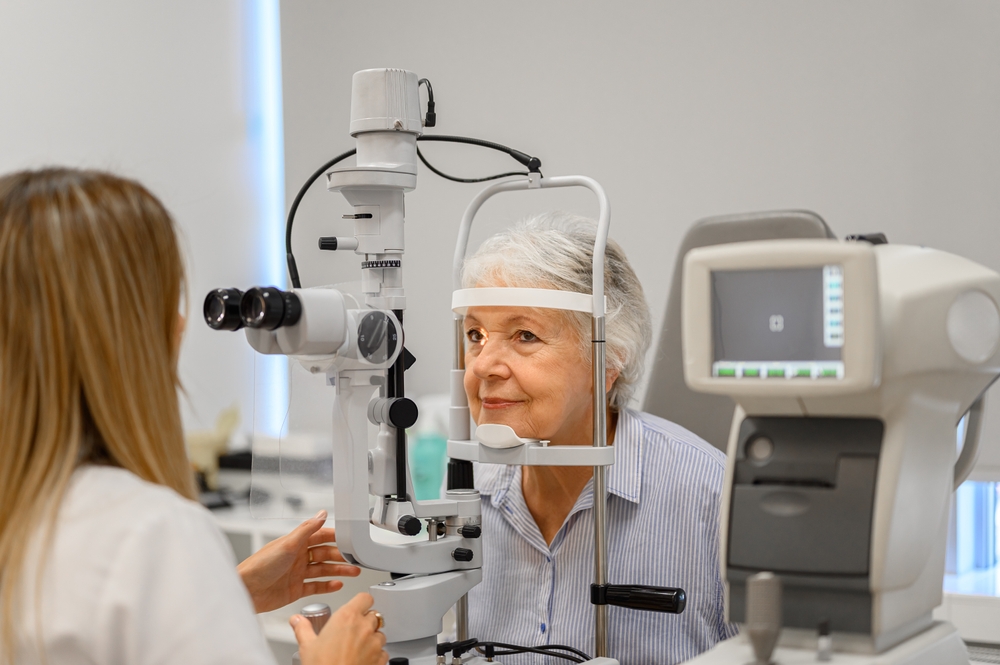
Sun protection is important, but it cannot replace comprehensive eye exams. Many eye diseases develop gradually and may not cause noticeable symptoms in their early stages. Regular eye exams allow us to evaluate the retina, optic nerve, lens, and other structures for changes that could threaten vision.
Seniors should schedule an exam promptly if they notice sudden vision loss, new flashes or floaters, distorted central vision, eye pain, or a rapid change in clarity. Early detection can help preserve vision and guide appropriate eye disease management.
Schedule a comprehensive eye exam with Valley Vision Center in Spokane Valley, WA by calling (509) 471-3130 to protect your sight through every season.
Quick Links
Helpful Articles
article_category: services
article_category: eye health
article_category: technology
article_category: eyeglasses
article_category: products
article_category: vision therapy
article_category: eye surgery co-management
article_category: ocular disease management
article_category: contact lenses
article_category: surgical procedures
[]
article_category: eye health
article_category: technology
article_category: eyeglasses
article_category: products
article_category: vision therapy
article_category: eye surgery co-management
article_category: ocular disease management
article_category: contact lenses
article_category: surgical procedures
[]
Flowbite is an open-source library of interactive components built on top of Tailwind CSS including buttons, dropdowns, modals, navbars, and more.
Check out this guide to learn how to get started and start developing websites even faster with components on top of Tailwind CSS.

All Eye Care Services
Find personalized eye care excellence with our comprehensive services. From eye exams to advanced diagnostics, trust us for all your vision needs.

Keep In Touch
For non-urgent questions or to learn more about our services, contact us today!
© 2026 Valley Vision Center. All rights Reserved - Accessibility Statement - Privacy Policy - Sitemap
Managed and Designed by 